
Introduction
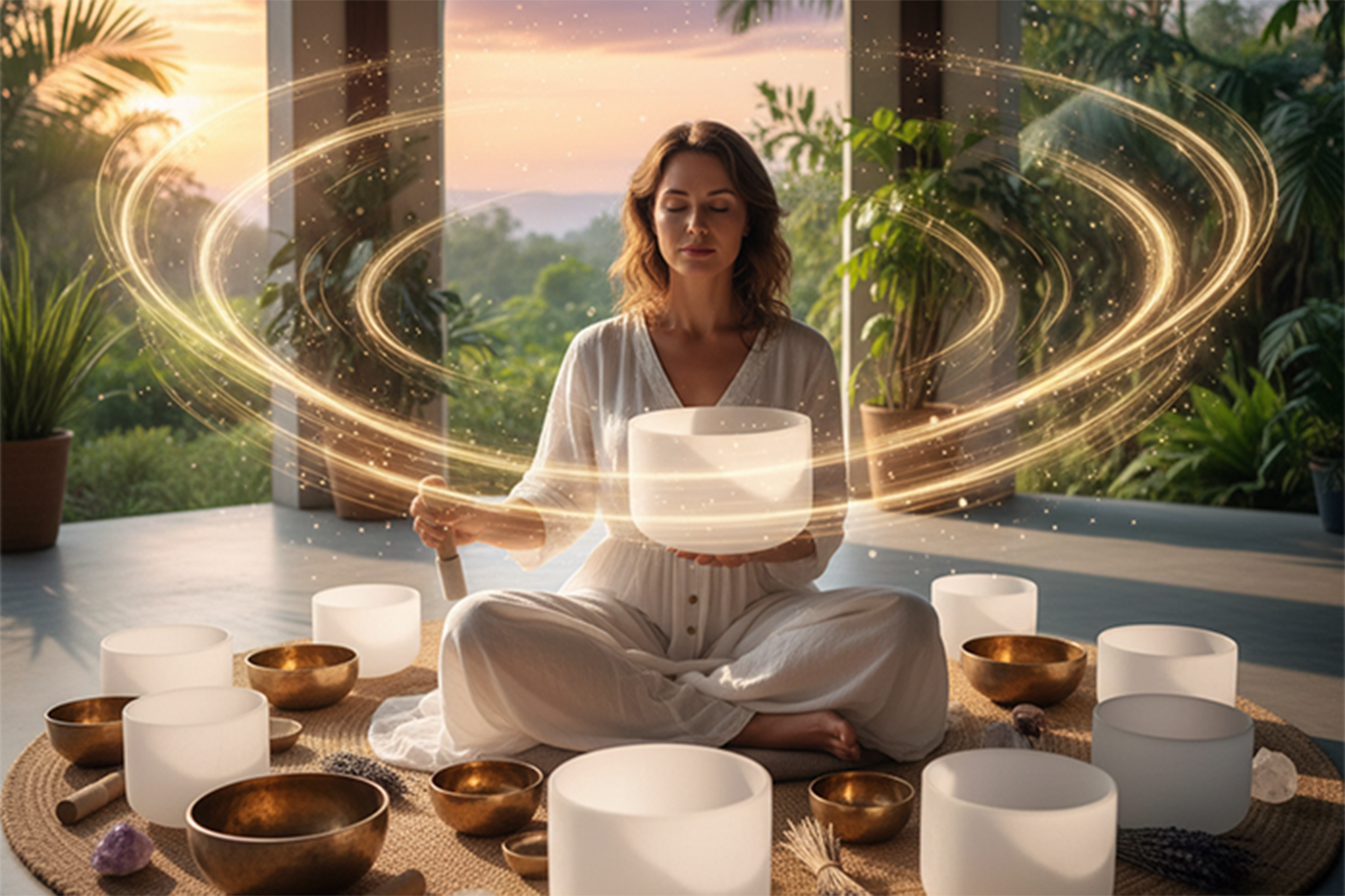
Sound is everywhere. From the rhythm of your heartbeat to the hum of nature, vibration shapes life itself. Sound healing taps into this natural rhythm, using specific frequencies to calm the mind, relax the body, and restore inner balance. Sounds almost magical, right? But there’s real depth behind it—and centuries of practice too. Have you ever noticed how a song can instantly change your mood? One moment you’re stressed, the next you’re calm—almost like magic. That’s not just a coincidence. That’s sound at work. Sound healing is an ancient yet increasingly popular wellness practice that uses vibrations and frequencies to restore balance in the body and mind. Think of it as a gentle tune-up for your entire being.
What Is Sound Healing?
Definition and Core Concept
Sound healing is a holistic therapy that uses sound vibrations—produced by voices, instruments, or frequencies—to promote physical, emotional, and mental well-being. The idea is simple: everything in the universe vibrates, including your body. When those vibrations fall out of harmony, discomfort and illness can arise.
Why Sound Affects the Human Body
Your body is mostly water, and water is an excellent conductor of sound. When healing frequencies travel through you, they help release tension, clear energetic blockages, and encourage natural healing. It’s like dropping a pebble into a still lake—ripples spread everywhere.
The History of Sound Healing
Ancient Civilizations and Sacred Sounds
Sound healing isn’t new. Ancient Egyptians used vocal toning in healing temples. Greek physicians prescribed music for mental health. Indigenous cultures relied on drums and chants for spiritual connection and healing.
Sound Healing in Eastern Traditions
In India, mantras have been used for thousands of years to align the mind and body. Tibetan monks have long practiced healing with singing bowls and overtone chanting.
Modern Revival of Sound Therapy
Today, sound healing has resurfaced in wellness centers, yoga studios, and even hospitals. Modern science is now catching up with what ancient wisdom always knew.
How Sound Healing Works
The Science of Vibration and Frequency
Every organ in your body has a natural resonant frequency. When exposed to harmonious sounds, your body tries to “tune” itself back to balance, just like a guitar string adjusting to the right pitch.
Brainwaves and Sound
Sound can shift brainwaves from busy beta states into relaxed alpha or deep theta states. This is where meditation, creativity, and healing happen naturally.
Resonance and Entrainment
Entrainment occurs when your body synchronizes with external rhythms. Slow, steady sounds encourage your heart rate and breathing to slow down, creating deep relaxation.
How the Body Responds to Sound
- Muscles relax
- Stress hormones decrease
- Blood circulation improves
- Mental clarity increases
Types of Sound Healing
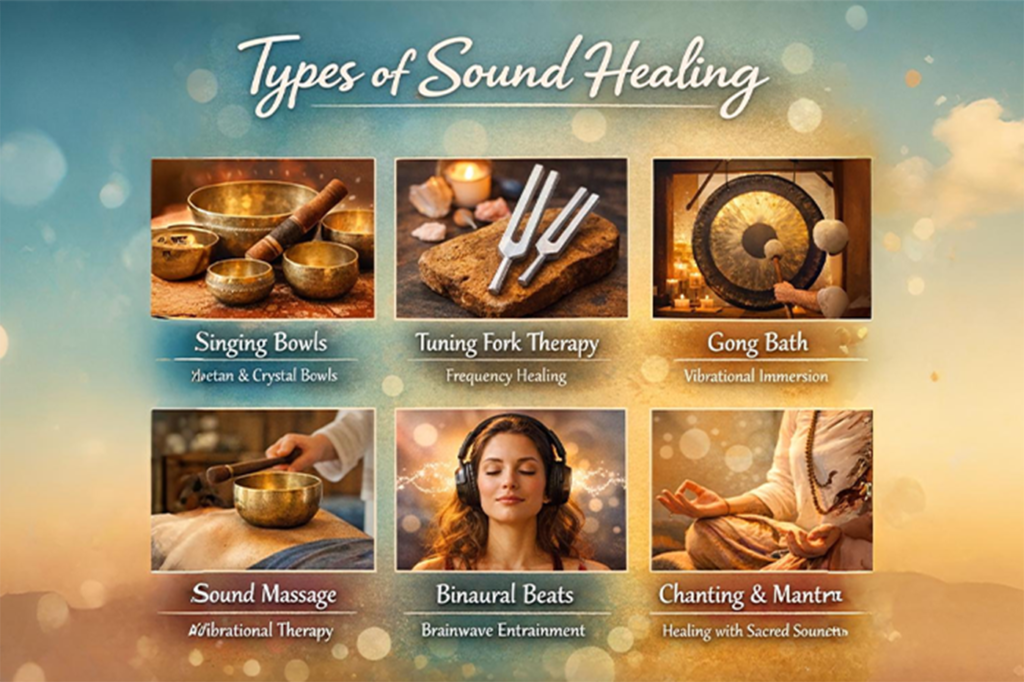
Singing Bowls
Metal or crystal bowls produce rich tones that wash over the body, promoting deep calm.
Tuning Fork Therapy
Specific frequencies are applied to the body to stimulate healing at targeted areas.
Gong Baths
A gong bath surrounds you with layered sound waves, creating a full-body vibrational massage.
Mantras and Chanting
Repetitive vocal sounds calm the mind and regulate breathing.
Music Therapy
Structured use of music to address emotional and cognitive needs, often used clinically.
Sound Healing Instruments Explained
Tibetan Singing Bowls
Hand-hammered bowls known for grounding, earthy vibrations.
Crystal Singing Bowls
Made from quartz, these produce high-frequency sounds often used for chakra work.
Gongs and Chimes
Powerful instruments that break up stagnant energy.
Drums and Rattles
Used in shamanic practices to reset rhythm and focus.
Benefits of Sound Healing
Mental and Emotional Benefits
- Reduces stress and anxiety
- Improves focus and clarity
- Releases emotional blockages
Physical Health Benefits
- Lowers blood pressure
- Supports pain relief
- Improves sleep quality
Spiritual and Energetic Benefits
- Enhances meditation
- Promotes inner awareness
- Balances energy centers
Sound Healing and Chakra Balancing
Chakra and Sound Healing Holistic healing techniques like balancing have their roots in the ancient energy medicine traditions of India, specifically in the Indian yogic school of thought. By employing vibrational frequencies, these modalities seek to bring the body’s energetic harmony back.
Overview of Chakras
Chakras are energy centers aligned along the spine, each linked to physical and emotional functions.
Matching Frequencies to Chakras
Each chakra resonates with specific tones. Sound healing helps realign these centers, restoring energetic flow.
Scientific Perspective on Sound Healing
Research and Studies
Studies show that sound-based therapies can lower cortisol levels, reduce anxiety, and improve mood.
What Science Supports and Questions
While not a replacement for medical treatment, sound healing is increasingly recognized as a powerful complementary therapy.
Sound Healing vs Music Therapy
Key Differences
Sound healing focuses on vibration and frequency, while music therapy uses structured musical interaction.
When to Choose Which
Choose sound healing for relaxation and energetic balance; music therapy for emotional and cognitive rehabilitation.
What Happens During a Sound Healing Session
Preparation
You lie down comfortably, often with eyes closed.
The Session Experience
Sounds gradually build and shift, guiding you into deep relaxation.
After Effects
Many people feel lighter, clearer, and deeply calm—sometimes euphoric.
Who Can Benefit from Sound Healing?
Adults and Children
Suitable for all ages with gentle adaptations.
Mental and Emotional Health
Helpful for stress, burnout, and emotional fatigue.
Physical Conditions
Often used alongside treatment for chronic pain and tension.
Is Sound Healing Safe?
Safety Guidelines
Generally safe when performed by trained practitioners.
Who Should Be Cautious
People with epilepsy, severe mental health conditions, or sound sensitivity should consult a professional first.
How to Practice Sound Healing at Home
Beginner-Friendly Techniques
- Humming
- Listening to frequency-based music
- Simple chanting
Tools You Can Use at Home
- Singing bowls
- Tuning fork apps
- Meditation playlists
Common Myths About Sound Healing
Debunking Misconceptions
Sound healing isn’t magic, religion, or place; it’s a vibrational wellness practice rooted in both tradition and emerging science.
The Future of Sound Healing
Integration with Modern Medicine
Hospitals and wellness centers are slowly embracing sound-based therapies.
Growing Global Acceptance
As stress-related illnesses rise, sound healing offers a gentle, accessible path to balance.
Conclusion
Sound healing reminds us that sometimes, healing doesn’t come from pills or procedures—but from vibration, rhythm, and resonance. In a noisy world, intentional sound becomes a sanctuary. Whether you’re seeking stress relief, emotional balance, or a deeper connection with yourself, sound healing offers a powerful, natural way to tune back into harmony.
FAQs
1. Is sound healing scientifically proven?
Research supports its benefits for relaxation and stress reduction, though more large-scale studies are ongoing.
2. How often should I do sound healing?
Once a week is common, but even monthly sessions can be beneficial.
3. Can sound healing replace medical treatment?
No. It works best as a complementary therapy alongside medical care.
4. Do I need to believe in it for it to work?
No belief required—your body responds to vibration naturally.
5. Can I practice sound healing without instruments?
Absolutely. Your voice is one of the most powerful healing tools.