What Is Anger Management Therapy?
Definition and Core Purpose
Anger is a natural human emotion—just like happiness, sadness, or fear. But when it starts controlling your thoughts, actions, and relationships, it becomes a problem that needs attention. Anger management therapy is a structured psychological approach designed to help individuals understand, control, and express their anger in healthy ways. Think of it as a toolkit that teaches you how to respond rather than react.
At its core, anger management therapy isn’t about suppressing anger. That’s a common misconception. Instead, it’s about recognizing the early signs of anger, understanding its root causes, and learning strategies to handle it constructively. A therapist works closely with you to identify patterns—what triggers your anger, how you react, and what consequences follow. Over time, you begin to replace destructive behaviors with healthier coping mechanisms.
Imagine your anger as a boiling pot. Therapy doesn’t remove the heat completely—it teaches you how to control the flame so it doesn’t spill over. This approach is particularly effective because it addresses both emotional and behavioral aspects, helping individuals build long-term emotional resilience and self-awareness
Why Anger Needs Management
Uncontrolled anger can quietly damage every area of life—relationships, career, health, and even self-esteem. You might feel a temporary release after an outburst, but the long-term effects often include guilt, regret, and broken connections. That’s why managing anger isn’t optional; it’s essential.
When anger becomes frequent or intense, it can lead to serious consequences such as workplace conflicts, family disputes, and even legal issues. It also affects physical health. Studies show that chronic anger is linked to high blood pressure, heart disease, and weakened immunity. So, managing anger isn’t just about emotional well-being—it’s about protecting your overall health.
Another important reason to manage anger is communication. When anger takes over, it distorts how we express ourselves. Instead of communicating clearly, we may shout, blame, or withdraw. Anger management therapy helps you regain control over your communication style, allowing you to express your feelings without hurting others. It transforms anger from a destructive force into a signal that something needs attention.
Understanding Anger: The Root Causes
Psychological Triggers
Anger doesn’t appear out of nowhere. It’s often triggered by deeper psychological factors that build up over time. These triggers can include stress, unresolved trauma, insecurity, or even unmet expectations. For example, if you constantly feel undervalued at work, even a small comment from a colleague might trigger a strong emotional reaction.
One of the most common psychological triggers is frustration. When things don’t go as planned—whether it’s traffic delays, missed deadlines, or personal setbacks—anger can quickly surface. Another trigger is perceived injustice. When you feel treated unfairly, your mind shifts into a defensive mode, preparing you to react.
Anger can also be a secondary emotion. That means it often masks other feelings like sadness, fear, or embarrassment. Instead of acknowledging vulnerability, the mind chooses anger as a protective shield. Anger management therapy helps uncover these hidden emotions, allowing individuals to address the real issue rather than just the symptom.
Environmental and Social Influences
Your environment plays a huge role in shaping how you express anger. If you grew up in a household where yelling or aggression was common, you may unconsciously adopt similar behaviors. Social influences—like peer pressure, workplace culture, or even media—can also normalize unhealthy expressions of anger.
Stressful environments, such as high-pressure jobs or unstable living conditions, can amplify anger responses. When your brain is constantly in “fight or flight” mode, it becomes easier to snap over small issues. Over time, this pattern becomes habitual, making anger the default response to stress.
Relationships are another major factor. Poor communication, lack of trust, or unresolved conflicts can create a cycle of anger. Without proper tools to address these issues, frustration builds up until it explodes. Anger management therapy helps break this cycle by teaching healthier ways to process and respond to environmental triggers.
Signs You May Need Anger Management Therapy
Emotional Symptoms
Recognizing the signs of problematic anger is the first step toward change. Emotionally, you might feel constantly irritated, frustrated, or on edge. Small inconveniences that others brush off may feel overwhelming to you. You might also experience intense feelings of resentment or bitterness that linger for long periods.
Another emotional sign is difficulty calming down. Even after the situation has passed, your mind keeps replaying it, fueling your anger further. This can lead to stress, anxiety, and even depression over time. You may also notice feelings of guilt or shame after an outburst, creating a cycle of emotional distress.
These emotional patterns indicate that anger is no longer just a reaction—it’s becoming a dominant emotional state. Therapy helps you identify these patterns and develop strategies to regulate your emotions more effectively.
Behavioral Indicators
Behavioral signs are often more visible and can have immediate consequences. These include shouting, throwing objects, slamming doors, or engaging in aggressive arguments. In some cases, anger may manifest as passive-aggressive behavior—such as sarcasm, silent treatment, or avoidance.
You might also notice impulsive actions, like sending angry messages or making decisions you later regret. These behaviors can damage relationships and create long-term consequences in both personal and professional life.
Another key indicator is difficulty maintaining relationships. Frequent conflicts, misunderstandings, and emotional distance often stem from unmanaged anger. If people around you seem cautious or avoidant, it could be a sign that your anger is affecting them. Anger management therapy helps replace these behaviors with constructive responses, improving both communication and relationships.
Types of Anger Management Therapy
Cognitive Behavioral Therapy (CBT)
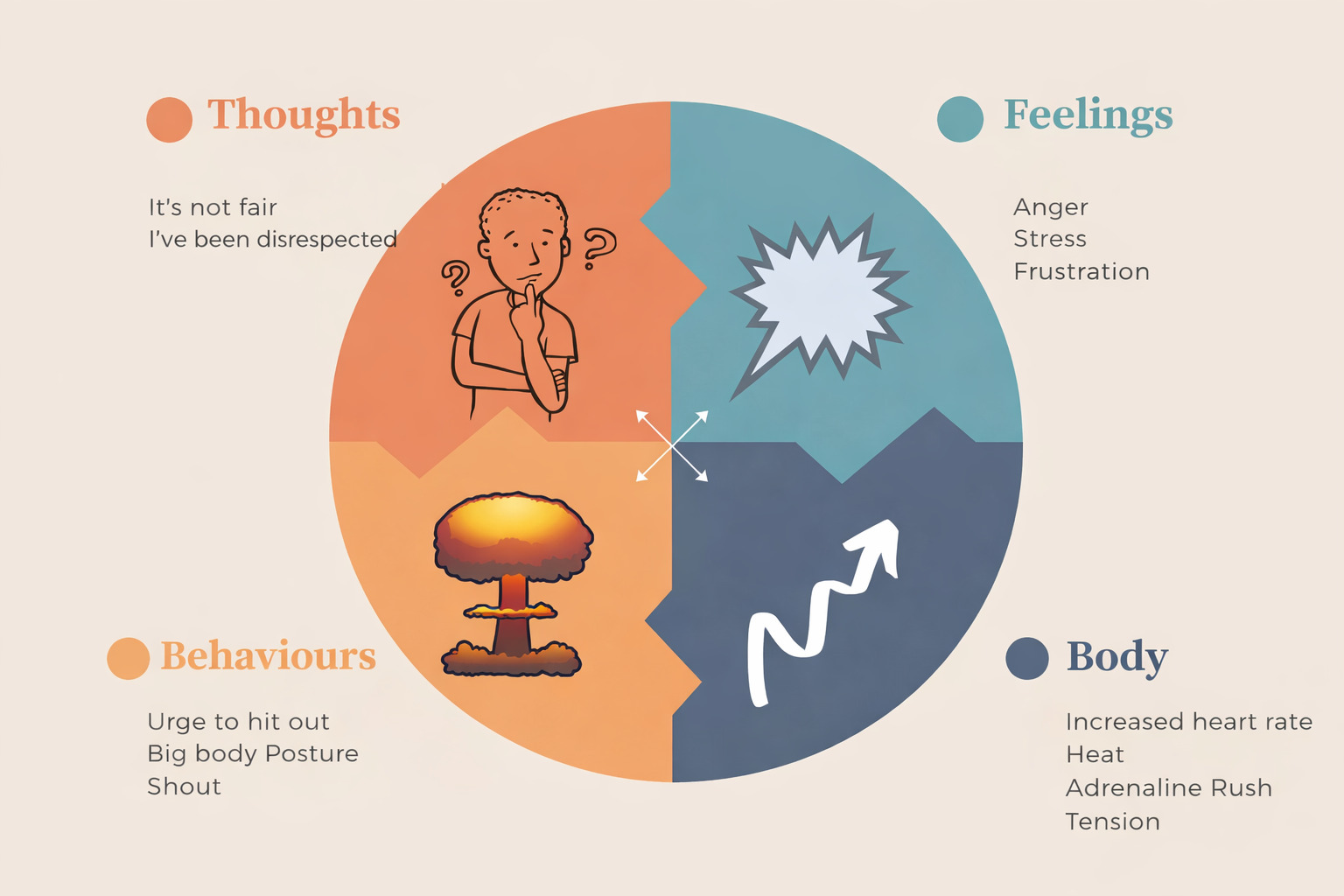
One of the most effective approaches to anger management is Cognitive Behavioral Therapy (CBT). This method focuses on identifying negative thought patterns and replacing them with more rational, constructive ones. For example, instead of thinking, “They’re disrespecting me,” CBT helps you reframe it as, “Maybe there’s a misunderstanding.”
CBT works because thoughts, emotions, and behaviors are interconnected. By changing your thoughts, you can influence how you feel and act. Therapists use techniques like journaling, role-playing, and thought analysis to help you recognize and challenge irrational beliefs.
Over time, CBT trains your brain to respond differently to triggers. It’s like rewiring your mental pathways, making calm and rational responses more natural than angry reactions.
Mindfulness-Based Therapy
Mindfulness-based therapy focuses on staying present in the moment without judgment. Instead of reacting impulsively, you learn to observe your emotions and let them pass without acting on them. This approach is particularly useful for managing intense anger.
Mindfulness techniques include meditation, deep breathing, and body awareness exercises. These practices help reduce stress and improve emotional regulation. When you’re mindful, you create a pause between the trigger and your response—a crucial space where better decisions can be made.
This type of therapy also improves self-awareness. You become more attuned to your emotional state, recognizing early signs of anger before they escalate. It’s like having an internal alarm system that alerts you before things get out of control.
Dialectical Behavior Therapy (DBT)
Originally developed for emotional regulation, DBT is highly effective for anger issues. It focuses on:
- Emotional control
- Distress tolerance
- Interpersonal effectiveness
Psychodynamic Therapy
This type explores past experiences and unconscious feelings that may be causing anger. It helps individuals understand:
- Root causes of anger
- Emotional conflicts from childhood or past trauma
Family Therapy
This therapy involves family members and focuses on improving communication and resolving conflicts within the household. It is helpful when anger affects relationships at home.
How Anger Management Therapy Works
Assessment and Goal Setting
The first step in anger management therapy is understanding your unique situation. A therapist conducts an assessment to identify triggers, patterns, and underlying causes of anger. This may involve discussions, questionnaires, and self-reflection exercises.
Once the assessment is complete, clear goals are set. These goals might include reducing the frequency of outbursts, improving communication skills, or learning relaxation techniques. Having specific goals provides direction and motivation throughout the therapy process.
This stage is crucial because it creates a personalized plan tailored to your needs. No two individuals experience anger in the same way, so therapy must be customized for maximum effectiveness.
Techniques Used in Sessions
Therapy sessions involve a variety of techniques designed to build emotional control and resilience. These may include role-playing scenarios, where you practice responding calmly to triggering situations. Relaxation exercises, such as deep breathing or progressive muscle relaxation, help reduce physical tension associated with anger.
Communication training is another key component. You learn how to express your feelings assertively rather than aggressively. This includes using “I” statements, active listening, and conflict resolution strategies.
Over time, these techniques become second nature. What once required conscious effort gradually becomes an automatic response, helping you handle challenging situations with confidence and composure.
Benefits of Anger Management Therapy
Emotional Benefits
The emotional benefits of anger management therapy are profound. You gain better control over your emotions, reducing stress and improving overall mental well-being. Instead of feeling overwhelmed, you develop a sense of calm and stability.
Therapy also increases self-awareness. You begin to understand your emotional triggers and patterns, allowing you to address issues before they escalate. This leads to greater emotional intelligence and resilience.
Another important benefit is improved self-esteem. When you manage your anger effectively, you feel more in control of your life. This confidence extends to other areas, enhancing your overall quality of life.
Social and Professional Benefits
Anger management therapy significantly improves relationships. By learning how to communicate effectively, you reduce conflicts and build stronger connections with others. Whether it’s family, friends, or colleagues, healthier interactions lead to more fulfilling relationships.
In a professional setting, managing anger can enhance your career. Employers value individuals who can handle stress and conflict calmly. Improved communication and emotional control can lead to better teamwork, leadership opportunities, and career growth.
Challenges in Anger Management
Resistance to Change
One of the biggest challenges in anger management is resistance to change. It’s not easy to break long-standing habits, especially when anger feels justified. Many people struggle to accept that their reactions need adjustment.
Change requires patience, consistency, and a willingness to step outside your comfort zone. Therapy provides guidance, but the effort must come from within. Overcoming resistance is a gradual process that involves building trust and commitment.
Emotional Triggers
Even with therapy, triggers don’t disappear completely. Stressful situations, conflicts, or unexpected events can still provoke anger. The difference is in how you respond.
Managing triggers requires ongoing practice and self-awareness. It’s about recognizing the early signs and applying the techniques you’ve learned. Over time, your reactions become more controlled, reducing the impact of triggers on your behavior.
Anger Management Therapy for Different Groups
Children and Teens
Anger management therapy is not just for adults—it’s highly effective for children and teenagers as well. Young individuals often struggle to express their emotions, leading to outbursts or behavioral issues.
Therapy for this group focuses on emotional education, helping them understand and label their feelings. Activities like games, storytelling, and role-playing make the learning process engaging and effective.
Early intervention is crucial. Teaching healthy coping mechanisms at a young age sets the foundation for emotional stability in adulthood.
Adults and Couples
For adults, anger management therapy often addresses work stress, relationship conflicts, and personal challenges. Couples therapy can also incorporate anger management techniques to improve communication and resolve conflicts.
By working together, couples learn to understand each other’s triggers and develop healthier ways to handle disagreements. This strengthens the relationship and reduces emotional tension.
Choosing the Right Therapist
Qualifications to Look For
Choosing the right therapist is a critical step in your journey. Look for professionals with qualifications in psychology, counseling, or mental health therapy. Certifications in anger management or cognitive behavioral therapy are an added advantage.
Experience matters too. A therapist who has worked with similar cases will be better equipped to understand your needs and provide effective solutions.
Questions to Ask Before Starting
Before starting therapy, ask questions to ensure it’s the right fit for you. These might include their approach to anger management, session structure, and expected outcomes. Understanding their methods helps you feel more comfortable and confident in the process.
Building a strong therapist-client relationship is essential for success. Trust and open communication create a supportive environment where real change can happen.
Conclusion
Anger is not the enemy—it’s a signal. A signal that something needs attention, understanding, and care. Anger management therapy transforms this powerful emotion into a tool for growth rather than destruction. By learning to control your reactions, you gain control over your life, relationships, and future.
The journey isn’t always easy, but it’s worth it. With the right guidance, techniques, and commitment, you can turn anger into strength, clarity, and confidence.
FAQs
1. How long does anger management therapy take?
The duration varies depending on individual needs, but most programs last between 8 to 12 weeks with regular sessions.
2. Can anger management therapy be done online?
Yes, many therapists offer online sessions, making it convenient and accessible for individuals worldwide.
3. Is anger management therapy effective?
Yes, when practiced consistently, it significantly improves emotional control, communication, and relationships.
4. What techniques are most effective for controlling anger?
Cognitive behavioral techniques, mindfulness, and communication skills training are among the most effective methods.
5. Do I need therapy if my anger isn’t violent?
Even non-violent anger can affect relationships and mental health. Therapy helps manage it before it escalates.